Website publishing check 729bd6ce2331

This temporary article checks the publishing workflow for reference 729bd6ce2331.

Readable text and standard formatting

The check covers formatted text, separate paragraphs and a normal hyperlink.

Visit the website home page for its usual content.

A reliable publishing process preserves the meaning of an article, its paragraph structure and its links. The public page can then be checked against the original document. This neutral passage is part of a temporary technical check and contains no advertising or external destination.

A reliable publishing process preserves the meaning of an article, its paragraph structure and its links. The public page can then be checked against the original document. This neutral passage is part of a temporary technical check and contains no advertising or external destination.

A reliable publishing process preserves the meaning of an article, its paragraph structure and its links. The public page can then be checked against the original document. This neutral passage is part of a temporary technical check and contains no advertising or external destination.

A reliable publishing process preserves the meaning of an article, its paragraph structure and its links. The public page can then be checked against the original document. This neutral passage is part of a temporary technical check and contains no advertising or external destination.

A reliable publishing process preserves the meaning of an article, its paragraph structure and its links. The public page can then be checked against the original document. This neutral passage is part of a temporary technical check and contains no advertising or external destination.

A reliable publishing process preserves the meaning of an article, its paragraph structure and its links. The public page can then be checked against the original document. This neutral passage is part of a temporary technical check and contains no advertising or external destination.

A reliable publishing process preserves the meaning of an article, its paragraph structure and its links. The public page can then be checked against the original document. This neutral passage is part of a temporary technical check and contains no advertising or external destination.

A reliable publishing process preserves the meaning of an article, its paragraph structure and its links. The public page can then be checked against the original document. This neutral passage is part of a temporary technical check and contains no advertising or external destination.

A reliable publishing process preserves the meaning of an article, its paragraph structure and its links. The public page can then be checked against the original document. This neutral passage is part of a temporary technical check and contains no advertising or external destination.

A reliable publishing process preserves the meaning of an article, its paragraph structure and its links. The public page can then be checked against the original document. This neutral passage is part of a temporary technical check and contains no advertising or external destination.

A reliable publishing process preserves the meaning of an article, its paragraph structure and its links. The public page can then be checked against the original document. This neutral passage is part of a temporary technical check and contains no advertising or external destination.

A reliable publishing process preserves the meaning of an article, its paragraph structure and its links. The public page can then be checked against the original document. This neutral passage is part of a temporary technical check and contains no advertising or external destination.

A reliable publishing process preserves the meaning of an article, its paragraph structure and its links. The public page can then be checked against the original document. This neutral passage is part of a temporary technical check and contains no advertising or external destination.

A reliable publishing process preserves the meaning of an article, its paragraph structure and its links. The public page can then be checked against the original document. This neutral passage is part of a temporary technical check and contains no advertising or external destination.

A reliable publishing process preserves the meaning of an article, its paragraph structure and its links. The public page can then be checked against the original document. This neutral passage is part of a temporary technical check and contains no advertising or external destination.

A reliable publishing process preserves the meaning of an article, its paragraph structure and its links. The public page can then be checked against the original document. This neutral passage is part of a temporary technical check and contains no advertising or external destination.

A reliable publishing process preserves the meaning of an article, its paragraph structure and its links. The public page can then be checked against the original document. This neutral passage is part of a temporary technical check and contains no advertising or external destination.

A reliable publishing process preserves the meaning of an article, its paragraph structure and its links. The public page can then be checked against the original document. This neutral passage is part of a temporary technical check and contains no advertising or external destination.

A reliable publishing process preserves the meaning of an article, its paragraph structure and its links. The public page can then be checked against the original document. This neutral passage is part of a temporary technical check and contains no advertising or external destination.

A reliable publishing process preserves the meaning of an article, its paragraph structure and its links. The public page can then be checked against the original document. This neutral passage is part of a temporary technical check and contains no advertising or external destination.

A reliable publishing process preserves the meaning of an article, its paragraph structure and its links. The public page can then be checked against the original document. This neutral passage is part of a temporary technical check and contains no advertising or external destination.

A reliable publishing process preserves the meaning of an article, its paragraph structure and its links. The public page can then be checked against the original document. This neutral passage is part of a temporary technical check and contains no advertising or external destination.

A reliable publishing process preserves the meaning of an article, its paragraph structure and its links. The public page can then be checked against the original document. This neutral passage is part of a temporary technical check and contains no advertising or external destination.

A reliable publishing process preserves the meaning of an article, its paragraph structure and its links. The public page can then be checked against the original document. This neutral passage is part of a temporary technical check and contains no advertising or external destination.

A reliable publishing process preserves the meaning of an article, its paragraph structure and its links. The public page can then be checked against the original document. This neutral passage is part of a temporary technical check and contains no advertising or external destination.

A reliable publishing process preserves the meaning of an article, its paragraph structure and its links. The public page can then be checked against the original document. This neutral passage is part of a temporary technical check and contains no advertising or external destination.

A reliable publishing process preserves the meaning of an article, its paragraph structure and its links. The public page can then be checked against the original document. This neutral passage is part of a temporary technical check and contains no advertising or external destination.

A reliable publishing process preserves the meaning of an article, its paragraph structure and its links. The public page can then be checked against the original document. This neutral passage is part of a temporary technical check and contains no advertising or external destination.

A reliable publishing process preserves the meaning of an article, its paragraph structure and its links. The public page can then be checked against the original document. This neutral passage is part of a temporary technical check and contains no advertising or external destination.

A reliable publishing process preserves the meaning of an article, its paragraph structure and its links. The public page can then be checked against the original document. This neutral passage is part of a temporary technical check and contains no advertising or external destination.

A reliable publishing process preserves the meaning of an article, its paragraph structure and its links. The public page can then be checked against the original document. This neutral passage is part of a temporary technical check and contains no advertising or external destination.

A reliable publishing process preserves the meaning of an article, its paragraph structure and its links. The public page can then be checked against the original document. This neutral passage is part of a temporary technical check and contains no advertising or external destination.

A reliable publishing process preserves the meaning of an article, its paragraph structure and its links. The public page can then be checked against the original document. This neutral passage is part of a temporary technical check and contains no advertising or external destination.

A reliable publishing process preserves the meaning of an article, its paragraph structure and its links. The public page can then be checked against the original document. This neutral passage is part of a temporary technical check and contains no advertising or external destination.

A reliable publishing process preserves the meaning of an article, its paragraph structure and its links. The public page can then be checked against the original document. This neutral passage is part of a temporary technical check and contains no advertising or external destination.

A reliable publishing process preserves the meaning of an article, its paragraph structure and its links. The public page can then be checked against the original document. This neutral passage is part of a temporary technical check and contains no advertising or external destination.

A reliable publishing process preserves the meaning of an article, its paragraph structure and its links. The public page can then be checked against the original document. This neutral passage is part of a temporary technical check and contains no advertising or external destination.

A reliable publishing process preserves the meaning of an article, its paragraph structure and its links. The public page can then be checked against the original document. This neutral passage is part of a temporary technical check and contains no advertising or external destination.

A reliable publishing process preserves the meaning of an article, its paragraph structure and its links. The public page can then be checked against the original document. This neutral passage is part of a temporary technical check and contains no advertising or external destination.

A reliable publishing process preserves the meaning of an article, its paragraph structure and its links. The public page can then be checked against the original document. This neutral passage is part of a temporary technical check and contains no advertising or external destination.

A reliable publishing process preserves the meaning of an article, its paragraph structure and its links. The public page can then be checked against the original document. This neutral passage is part of a temporary technical check and contains no advertising or external destination.

A reliable publishing process preserves the meaning of an article, its paragraph structure and its links. The public page can then be checked against the original document. This neutral passage is part of a temporary technical check and contains no advertising or external destination.

A reliable publishing process preserves the meaning of an article, its paragraph structure and its links. The public page can then be checked against the original document. This neutral passage is part of a temporary technical check and contains no advertising or external destination.

A reliable publishing process preserves the meaning of an article, its paragraph structure and its links. The public page can then be checked against the original document. This neutral passage is part of a temporary technical check and contains no advertising or external destination.

A reliable publishing process preserves the meaning of an article, its paragraph structure and its links. The public page can then be checked against the original document. This neutral passage is part of a temporary technical check and contains no advertising or external destination.

Leave a Reply

Your email address will not be published. Required fields are marked *

Website publishing check ba167b275005

This temporary article checks the publishing workflow for reference ba167b275005.

Readable text and standard formatting

The check covers formatted text, separate paragraphs and a normal hyperlink.

Visit the website home page for its usual content.

A reliable publishing process preserves the meaning of an article, its paragraph structure and its links. The public page can then be checked against the original document. This neutral passage is part of a temporary technical check and contains no advertising or external destination.

A reliable publishing process preserves the meaning of an article, its paragraph structure and its links. The public page can then be checked against the original document. This neutral passage is part of a temporary technical check and contains no advertising or external destination.

A reliable publishing process preserves the meaning of an article, its paragraph structure and its links. The public page can then be checked against the original document. This neutral passage is part of a temporary technical check and contains no advertising or external destination.

A reliable publishing process preserves the meaning of an article, its paragraph structure and its links. The public page can then be checked against the original document. This neutral passage is part of a temporary technical check and contains no advertising or external destination.

A reliable publishing process preserves the meaning of an article, its paragraph structure and its links. The public page can then be checked against the original document. This neutral passage is part of a temporary technical check and contains no advertising or external destination.

A reliable publishing process preserves the meaning of an article, its paragraph structure and its links. The public page can then be checked against the original document. This neutral passage is part of a temporary technical check and contains no advertising or external destination.

A reliable publishing process preserves the meaning of an article, its paragraph structure and its links. The public page can then be checked against the original document. This neutral passage is part of a temporary technical check and contains no advertising or external destination.

A reliable publishing process preserves the meaning of an article, its paragraph structure and its links. The public page can then be checked against the original document. This neutral passage is part of a temporary technical check and contains no advertising or external destination.

A reliable publishing process preserves the meaning of an article, its paragraph structure and its links. The public page can then be checked against the original document. This neutral passage is part of a temporary technical check and contains no advertising or external destination.

A reliable publishing process preserves the meaning of an article, its paragraph structure and its links. The public page can then be checked against the original document. This neutral passage is part of a temporary technical check and contains no advertising or external destination.

A reliable publishing process preserves the meaning of an article, its paragraph structure and its links. The public page can then be checked against the original document. This neutral passage is part of a temporary technical check and contains no advertising or external destination.

A reliable publishing process preserves the meaning of an article, its paragraph structure and its links. The public page can then be checked against the original document. This neutral passage is part of a temporary technical check and contains no advertising or external destination.

A reliable publishing process preserves the meaning of an article, its paragraph structure and its links. The public page can then be checked against the original document. This neutral passage is part of a temporary technical check and contains no advertising or external destination.

A reliable publishing process preserves the meaning of an article, its paragraph structure and its links. The public page can then be checked against the original document. This neutral passage is part of a temporary technical check and contains no advertising or external destination.

A reliable publishing process preserves the meaning of an article, its paragraph structure and its links. The public page can then be checked against the original document. This neutral passage is part of a temporary technical check and contains no advertising or external destination.

A reliable publishing process preserves the meaning of an article, its paragraph structure and its links. The public page can then be checked against the original document. This neutral passage is part of a temporary technical check and contains no advertising or external destination.

A reliable publishing process preserves the meaning of an article, its paragraph structure and its links. The public page can then be checked against the original document. This neutral passage is part of a temporary technical check and contains no advertising or external destination.

A reliable publishing process preserves the meaning of an article, its paragraph structure and its links. The public page can then be checked against the original document. This neutral passage is part of a temporary technical check and contains no advertising or external destination.

A reliable publishing process preserves the meaning of an article, its paragraph structure and its links. The public page can then be checked against the original document. This neutral passage is part of a temporary technical check and contains no advertising or external destination.

A reliable publishing process preserves the meaning of an article, its paragraph structure and its links. The public page can then be checked against the original document. This neutral passage is part of a temporary technical check and contains no advertising or external destination.

A reliable publishing process preserves the meaning of an article, its paragraph structure and its links. The public page can then be checked against the original document. This neutral passage is part of a temporary technical check and contains no advertising or external destination.

A reliable publishing process preserves the meaning of an article, its paragraph structure and its links. The public page can then be checked against the original document. This neutral passage is part of a temporary technical check and contains no advertising or external destination.

A reliable publishing process preserves the meaning of an article, its paragraph structure and its links. The public page can then be checked against the original document. This neutral passage is part of a temporary technical check and contains no advertising or external destination.

A reliable publishing process preserves the meaning of an article, its paragraph structure and its links. The public page can then be checked against the original document. This neutral passage is part of a temporary technical check and contains no advertising or external destination.

A reliable publishing process preserves the meaning of an article, its paragraph structure and its links. The public page can then be checked against the original document. This neutral passage is part of a temporary technical check and contains no advertising or external destination.

A reliable publishing process preserves the meaning of an article, its paragraph structure and its links. The public page can then be checked against the original document. This neutral passage is part of a temporary technical check and contains no advertising or external destination.

A reliable publishing process preserves the meaning of an article, its paragraph structure and its links. The public page can then be checked against the original document. This neutral passage is part of a temporary technical check and contains no advertising or external destination.

A reliable publishing process preserves the meaning of an article, its paragraph structure and its links. The public page can then be checked against the original document. This neutral passage is part of a temporary technical check and contains no advertising or external destination.

A reliable publishing process preserves the meaning of an article, its paragraph structure and its links. The public page can then be checked against the original document. This neutral passage is part of a temporary technical check and contains no advertising or external destination.

A reliable publishing process preserves the meaning of an article, its paragraph structure and its links. The public page can then be checked against the original document. This neutral passage is part of a temporary technical check and contains no advertising or external destination.

A reliable publishing process preserves the meaning of an article, its paragraph structure and its links. The public page can then be checked against the original document. This neutral passage is part of a temporary technical check and contains no advertising or external destination.

A reliable publishing process preserves the meaning of an article, its paragraph structure and its links. The public page can then be checked against the original document. This neutral passage is part of a temporary technical check and contains no advertising or external destination.

A reliable publishing process preserves the meaning of an article, its paragraph structure and its links. The public page can then be checked against the original document. This neutral passage is part of a temporary technical check and contains no advertising or external destination.

A reliable publishing process preserves the meaning of an article, its paragraph structure and its links. The public page can then be checked against the original document. This neutral passage is part of a temporary technical check and contains no advertising or external destination.

A reliable publishing process preserves the meaning of an article, its paragraph structure and its links. The public page can then be checked against the original document. This neutral passage is part of a temporary technical check and contains no advertising or external destination.

A reliable publishing process preserves the meaning of an article, its paragraph structure and its links. The public page can then be checked against the original document. This neutral passage is part of a temporary technical check and contains no advertising or external destination.

A reliable publishing process preserves the meaning of an article, its paragraph structure and its links. The public page can then be checked against the original document. This neutral passage is part of a temporary technical check and contains no advertising or external destination.

A reliable publishing process preserves the meaning of an article, its paragraph structure and its links. The public page can then be checked against the original document. This neutral passage is part of a temporary technical check and contains no advertising or external destination.

A reliable publishing process preserves the meaning of an article, its paragraph structure and its links. The public page can then be checked against the original document. This neutral passage is part of a temporary technical check and contains no advertising or external destination.

A reliable publishing process preserves the meaning of an article, its paragraph structure and its links. The public page can then be checked against the original document. This neutral passage is part of a temporary technical check and contains no advertising or external destination.

A reliable publishing process preserves the meaning of an article, its paragraph structure and its links. The public page can then be checked against the original document. This neutral passage is part of a temporary technical check and contains no advertising or external destination.

A reliable publishing process preserves the meaning of an article, its paragraph structure and its links. The public page can then be checked against the original document. This neutral passage is part of a temporary technical check and contains no advertising or external destination.

A reliable publishing process preserves the meaning of an article, its paragraph structure and its links. The public page can then be checked against the original document. This neutral passage is part of a temporary technical check and contains no advertising or external destination.

A reliable publishing process preserves the meaning of an article, its paragraph structure and its links. The public page can then be checked against the original document. This neutral passage is part of a temporary technical check and contains no advertising or external destination.

A reliable publishing process preserves the meaning of an article, its paragraph structure and its links. The public page can then be checked against the original document. This neutral passage is part of a temporary technical check and contains no advertising or external destination.

Leave a Reply

Your email address will not be published. Required fields are marked *

Offline vs. Cloud-Based: Understanding Claude’s Processing Architecture

A user downloads Claude to their Windows or macOS machine, installs it locally, and expects to work offline. Within minutes, they encounter a connectivity requirement: the application refuses to function without an active internet connection. This immediate friction raises a practical question that separates marketing claims from technical reality. If Claude is installed on a desktop, why does it demand continuous network access? The answer lies in the fundamental architecture of modern AI systems and the computational constraints of consumer hardware.

Claude is a cloud-based AI assistant developed by Anthropic, and that design choice is not accidental or a limitation to be overcome. It reflects the actual processing model: the heavy computational work happens on Anthropic’s servers, not on the user’s machine. The desktop application and browser interface are both clients that send requests and receive responses. Understanding this distinction is essential for anyone evaluating whether Claude fits their workflow, security requirements, and connectivity environment. This article examines why a cloud-based AI assistant requires internet access, how that architecture enables Claude’s capabilities, and what practical compromises users should expect.

Diagram comparing local processing on desktop versus distributed cloud-based processing for AI model inference

Why desktop installation does not mean local processing

The Claude desktop application is a user interface layer, not a complete AI model running on the user’s computer. Downloading the software and installing it provides access to features such as organized conversation history, keyboard shortcuts, file upload dialogs, and an integrated workspace. None of that involves executing the actual language model. The model weights—the mathematical parameters that allow Claude to understand and generate language—reside on Anthropic’s infrastructure. The desktop app sends text and documents to those servers, waits for responses, and displays the results locally.

This separation is not unique to Claude. Most commercial AI assistants follow this pattern because the computational requirements of running a modern language model are prohibitive for typical consumer hardware. A single forward pass through Claude requires billions of floating-point operations and access to substantial memory. A desktop computer or laptop can host the interface code; it cannot efficiently run the underlying model without specialized hardware, significant power consumption, and cost that would exceed the price of most computers. The Claude system requirements list processor speed, RAM, and storage because those factors affect how smoothly the interface responds and how many documents can be cached locally. They do not determine whether Claude can process your requests, because that processing always happens in the cloud.

Some users conflate convenience with capability. The desktop version of Claude is more convenient than the browser version in certain contexts: it integrates with the operating system, supports native keyboard shortcuts, and persists conversation history without requiring a browser tab to remain open. That convenience is real and matters for daily usability. It does not, however, change the computational model. Whether you access Claude through a web browser, the Windows application, or the macOS application, the infrastructure is identical. The interface is local; the processing is cloud-based.

Understanding cloud-based AI assistant architecture and latency

A cloud-based AI assistant model operates on a request-response cycle. The user types a message or uploads a document. The local application encrypts the data, sends it over HTTPS to Anthropic’s servers, and the request enters a processing queue. The model generates a response token by token, streaming the result back to the client. The user’s computer receives and displays these tokens as they arrive, creating the impression of real-time interaction. In practice, there is always latency: the round-trip time for the network, the time for the model to process, and any queueing delay if the service is busy.

This architecture has significant advantages over local processing. Anthropic can upgrade the underlying model without requiring users to download gigabytes of new weights. The servers can be optimized with specialized hardware such as GPUs and TPUs, producing faster inference than a general-purpose desktop machine. The service can apply safety measures, rate limiting, and monitoring consistently across all users. A cloud-based AI assistant can also maintain system stability by isolating individual user loads; if one session becomes computationally expensive, it does not degrade everyone else’s performance.

The trade-off is dependence on network reliability. A user with unstable internet, frequent dropouts, or high latency will experience interruptions, slow responses, and potentially lost work if a connection drops mid-response. Users in regions with limited bandwidth will find that processing large documents or maintaining long conversations becomes impractical. The desktop application does cache some conversation history locally, reducing re-transmission, but it cannot cache the model itself. Every interaction, no matter how similar to a previous one, requires a round-trip to the cloud.

Anthropic has attempted to mitigate some of this friction through response caching and prompt caching, which reduce redundant processing when similar requests are repeated. However, these optimizations assume that network connectivity is maintained. A user working in an area with intermittent coverage—such as on a train, in a rural location, or on an unreliable corporate network—may find that the delays and disconnections outweigh the benefits of local installation compared to browser access.

Local hardware requirements versus cloud processing demands

The distinction between interface requirements and processing requirements is worth repeating because it affects how users evaluate their setup. The Claude AI desktop application requires a modern processor, sufficient RAM to hold the interface and cached data, and stable storage. On Windows, the minimum specifications are modest: a contemporary multi-core processor, 4 GB of RAM (8 GB recommended), and several hundred megabytes of disk space. macOS requirements are similar. These specs ensure that the application itself runs smoothly, not that it can execute the underlying model.

The actual processing demands—the billions of operations needed to generate language—occur on Anthropic’s cloud infrastructure. That infrastructure is automatically scaled, maintained, and upgraded without user involvement. A user on a five-year-old laptop with 8 GB of RAM can access Claude’s full capabilities as long as the internet connection is stable. Conversely, a user with the most powerful gaming desktop still depends entirely on Anthropic’s servers for any meaningful AI computation. The local hardware buys convenience, not processing power.

This has an important implication for budget and procurement. Organizations evaluating Claude do not need to purchase high-end workstations to gain access to the system’s capabilities. Standard business laptops suffice. The cost structure shifts from capital investment in powerful local hardware toward subscription fees for cloud processing. That economics favors small teams and individuals but may seem less favorable to organizations that already own powerful computers and prefer to avoid recurring cloud service costs.

Network dependency and offline limitations

The requirement for internet connectivity is non-negotiable for a cloud-based AI assistant. Claude cannot operate offline, period. The desktop application will not generate responses when the network is unavailable. Some limited features, such as viewing conversation history that has already been cached locally, may remain accessible, but any interaction that requires the model—asking a question, getting feedback on a document, requesting analysis—will fail.

This offline limitation is sometimes presented as a disadvantage compared to hypothetical local models. In practice, the trade-off is not straightforward. A true offline model would need to be downloaded and stored on the user’s device, consuming gigabytes to hundreds of gigabytes of storage depending on the model size and quality. It would require ongoing updates distributed to each user separately. Performance would be slower without specialized hardware optimization. The quality would be frozen at the version downloaded, unable to benefit from Anthropic’s ongoing research and improvements. For most use cases, the cloud dependency is the pragmatic choice, not a flaw.

Users in environments where internet access is limited—whether by geography, infrastructure constraints, or policy—should recognize that Claude is not an appropriate tool without a solution for reliable connectivity. This includes field researchers in remote areas, users in regions with poor internet infrastructure, and organizations in secure environments where outbound network access is restricted. For these scenarios, evaluating alternative approaches such as locally-runnable open-source models, or ensuring that connectivity solutions are in place before adopting Claude, is essential.

Security and data transmission in cloud-based processing

The fact that Claude processes requests in the cloud raises legitimate questions about data privacy and security. Every document uploaded, every conversation, every prompt travels across the internet to Anthropic’s servers. Users should understand what happens to that data: it is encrypted in transit using HTTPS, processed according to Anthropic’s privacy terms, and (by default) used to improve the service unless the user opts out of data collection.

Organizations with strict confidentiality requirements face a real constraint. Uploading proprietary documents, customer data, or trade secrets to a third-party service introduces risk that cannot be fully eliminated through encryption alone. Anthropic publishes its data handling practices, but the residual concern—that data might be accessed, retained, or used in ways not fully transparent—is legitimate. Users with extreme sensitivity should understand that using Claude implies accepting some level of data exposure to Anthropic’s infrastructure, regardless of technical safeguards.

The encryption and delivery mechanism are relatively straightforward: HTTPS protects data in transit, and Anthropic’s infrastructure is designed with standard security practices such as access controls and monitoring. The more subtle risk is the inference that can be drawn from what users ask and upload. A company asking Claude to help debug a specific system vulnerability, analyze a competitor’s pricing, or draft a sensitive negotiation document is revealing information about its operations and priorities. This is not a unique problem of cloud services—it is inherent to using any third-party tool—but it is worth acknowledging explicitly.

Practical alternatives and hybrid workflows

Users uncomfortable with cloud dependency have several options. The Claude AI web interface requires no installation and is accessible from any device with a browser and internet connection, avoiding the question of whether the desktop version is “truly installed.” For users who need some offline capability, alternative approaches include using locally-runnable open-source models such as Llama, Mistral, or other models available through platforms like Ollama or vLLM. These sacrifice quality for independence but allow some AI assistance without cloud connectivity.

A hybrid workflow might involve using Claude for high-stakes tasks where quality matters most, while relying on local models for brainstorming, rough drafts, or quick questions where mediocre output is acceptable. This approach accepts that no single tool is optimal for every scenario. The cloud-based AI assistant provides the best general-purpose capability; local alternatives provide offline access at the cost of reduced performance and capability.

Organizations considering Claude should evaluate their actual connectivity, data sensitivity, and budget requirements before adopting it. If internet access is reliable, data confidentiality is not extreme, and the cost structure fits, Claude’s cloud-based model is efficient and feature-rich. If connectivity is uncertain, data sensitivity is critical, or offline operation is required, alternative approaches deserve serious consideration. You can review the installation options and interface details through the official website to assess whether the desktop or browser version aligns with your setup.

The forward trajectory of cloud AI and practical implications

The cloud-based model is likely to persist for Claude and similar systems for the foreseeable future. As language models grow more capable and larger, the computational and financial barriers to local deployment only increase. The infrastructure that Anthropic invests in—specialized hardware, distributed computing, continuous model improvements—creates a structural advantage that is difficult for distributed local systems to match. Over time, users should expect that cloud-based AI assistants become more capable, faster, and more integrated with other services, while the core dependency on internet connectivity remains.

For practical purposes, this means that evaluating a cloud-based AI assistant is not primarily about current processing speed or local hardware capability. It is about whether your network is reliable enough, your data is suitable for cloud processing, your workflow benefits from the features offered, and your budget accommodates the subscription model. These factors will vary significantly across individuals and organizations. The technology is mature and practical; the fit depends on context.

Users adopting Claude should approach the tool with realistic expectations about its nature. It is a web service accessed through a convenient desktop client, not software installed on your machine. That distinction affects security, availability, and workflow in concrete ways. Understanding the architecture removes the false choice between installing locally and accepting cloud dependency; the installation is cosmetic. The cloud dependency is fundamental to how the system works, and accepting that reality is the first step toward using Claude effectively within its constraints.

Frequently asked questions

Can I use Claude completely offline after installing the desktop application?

No. The desktop application is a user interface that requires an active internet connection to function. You can view cached conversation history locally, but any new interaction with the model—asking questions, analyzing documents, or generating responses—requires connectivity to Anthropic’s cloud servers. If offline capability is essential, you need to evaluate local alternative models.

Why is Claude a cloud-based AI assistant instead of running locally on my computer?

Modern language models require substantial computational resources that exceed the practical capability of consumer hardware. A cloud-based AI assistant allows Anthropic to optimize processing on specialized infrastructure, deliver consistent performance, apply safety measures universally, and continuously improve the model without requiring users to download gigabytes of updates. Local processing would be slower, more expensive, and harder to maintain.

What happens to my data when I use Claude through the desktop app?

Your messages and documents are encrypted during transmission to Anthropic’s servers, where the model processes them. Anthropic retains data according to its privacy policy and uses it to improve the service unless you opt out. Users should assume that anything uploaded to Claude is accessible to Anthropic and should not upload highly confidential information they cannot afford to expose to a third party.

Leave a Reply

Your email address will not be published. Required fields are marked *

Banquet!

It’s May! Where has the time gone?

TOMORROW is our annual fundraising banquet. Are you coming? We hope so! Saturday, May 9, at 10 a.m., we will hear more about what’s been happening in Nigeria with African Hope Ministry. Please join us at Southtown Baptist Church (2600 W 82nd St, Bloomington, MN) for some tasty food, music, and updates about all that is going on. Also, bring a friend!

Remember, our goal is to raise enough funds to finish the girls’ dormitory and get a vehicle to use for the ministry, too. We originally said we needed $20,000 for the dorm, and we are down to $16,986.80, but this estimate was made several months ago. According to our quantity surveyor/engineer, the cost of fuel in Nigeria has skyrocketed, and inflation is just messing with costs. For example, cement, which happens to be a major building material, has significantly increased in cost due to this inflation. We were told this week that we should expect to spend an additional 25% to complete the dormitory, meaning we will probably pay an additional $4,000. Therefore, we still need about $21,000 in total. But the good news is that we have a donor who has given $5,000 in matching funds for this fundraiser, and we’ve already had $1,500 donated toward this purpose. Therefore, to achieve our fundraising goal for the dormitory, we need a balance of $14,500. We thank God for the generous donations so far and believe Him to help us achieve this goal. 

Similarly, the used vehicle we are planning for will cost $10,000. For now, our target is to get a used pick-up or cargo van that will enable us to convey our harvested farm produce, food from the market, and haul things around. This is especially needed as we approach a new school year, when we will need to move additional furniture to our site. Together, we can achieve these goals! Please consider making a donation towards these projects.

Meanwhile, on May 1, a small team of volunteers went out to harvest a portion of our cassava. The harvest was bountiful, praise the Lord!! A truckload is now being processed into Garri, a common local food, that our students and staff can enjoy. As we continue with the harvest, we plan to preserve the cassava produce and possibly sell any excess to raise additional funds for the ministry. This is only the first load; there is more to harvest! We have also started a new planting season. (Check out how long that cassava is, I thought it was a walking stick!)

Thank you again for your prayers and support. We are beyond blessed by every person who prays for this ministry, and those who have given of their time, energy, and money. Thank you for giving to the Lord! We hope to see you next Saturday at the banquet, by God’s grace!

Leave a Reply

Your email address will not be published. Required fields are marked *

Term 2 Complete!

Happy weekend! How are you doing? We are excited to share some updates on what is happening with African Hope Ministry over in Nigeria!

The students of Hopeful Academy finished their second term last week and have gone home for their spring break. (This photo with parents/guardians is from when they were ready to head out!) They have about 3 weeks off and will return at the end of April. It was good to see that they are improving in their grades and overall learning. For student sponsors, we will send a copy of their grades within the next day or two so you can see how your individual student is performing. 

We are looking for more student sponsors for 2026-2027. We will need 30 sponsors for the coming school year. Right now, we have 9 committed. For those who sponsored this past year, please let us know if you would like to continue. For anyone new, please join the party! Thanks to those who have just joined our student sponsorship recently! Sponsorship has been $30 per month ($360 for the year), and that can continue. If you can make it $40 per month ($480 for the year), this will help with inflation. However, if the extra $10 a month is not convenient, please join us at $30/month. Thanks!

Thank you again for your prayers and support. We are blessed by every one of you! You are bringing smiles to the faces of our students, parents, staff, and others in need within and outside the community we serve. God is good!! We hope to see many of you at the banquet in 4 weeks. 

Leave a Reply

Your email address will not be published. Required fields are marked *

Short ministry update!

Happy weekend, friends! We thank God that things have continued to go well in Nigeria with the ministry and Hopeful Academy.

Our dormitory project is still ongoing. We’ve raised over $ 3,000, so we are still trusting God to provide the remaining $17,436.86 to finish the girls’ dormitory. Our prayer is that this can be completed by July 2026 so that, when we admit more students by September, the girls will have their new housing ready, freeing up their current living space for its original purpose.

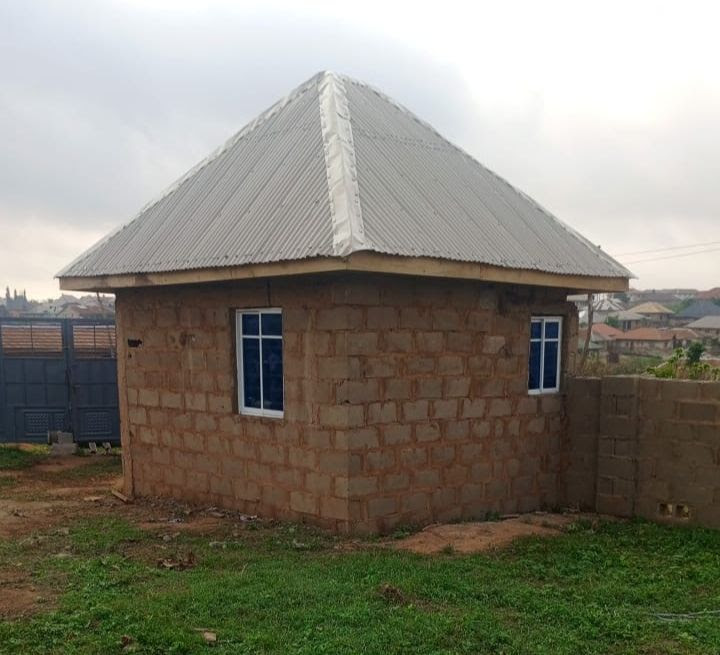
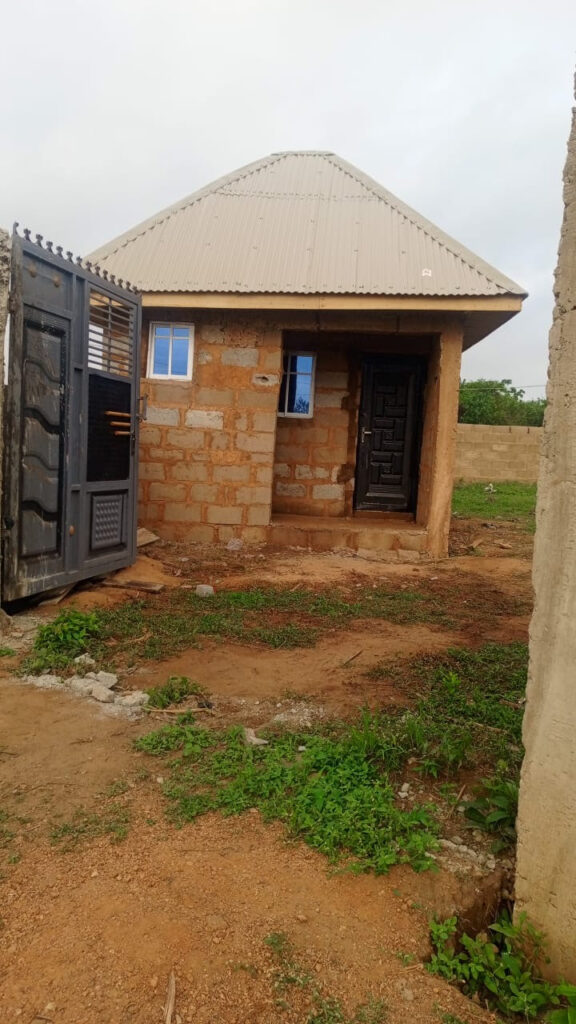
Also, we have recently hired two security men who patrol our property 24/7. This just adds an extra peace of mind that extra eyes are aware of what is happening in the area. We have therefore spent the last week getting the roof on the security house. These men are happy to have their own secure place to sleep. The building still needs electricity and plumbing, so those pieces will be completed in the weeks to come.

On Saturdays, our students partake in a music class and have recently started learning the recorder. They really enjoy this weekend activity!

In addition, we have officially established a partnership with the Social Ministries Department of the Nigerian Baptist Convention. We believe God to use this relationship to strengthen the body of Christ and support the needy in various communities.

Further, we have a new volunteer working as our account manager in Nigeria. Toyosi has stepped up to the plate to continue ensuring our records are kept in order and that money is spent correctly. Thanks, Toyosi! 

Leave a Reply

Your email address will not be published. Required fields are marked *

Is Rabby Wallet Download Really Free? Hidden Costs, Token Economics, and Future Monetization

A user installs Rabby Wallet, confirms the browser extension works on their Chromium-based browser, and begins managing Ethereum and EVM-compatible assets across Base, Arbitrum, Optimism, Polygon, BNB Chain, and Avalanche. No subscription fee appears. No account creation is required. No premium tier is presented. The wallet remains free to download and use. Yet that observation sits incomplete. A free wallet is not the same as a wallet with no economic model, and the absence of upfront costs does not clarify how Rabby sustains development, pays infrastructure, or intends to monetize in the future.

The question matters because wallet choice affects which transactions reach which networks, which smart contract permissions are visible, and which assets end up under which custody models. A wallet that is free today might introduce fees tomorrow, integrate third-party services that charge, or add tokenized features that require holding a specific asset. Understanding the current state, the business incentives beneath it, and the possible futures is therefore more practical than accepting the price tag at face value.

Rabby Wallet browser extension interface showing transaction simulation, approval visibility, and multichain portfolio dashboard across Ethereum and EVM networks

What “free” means in the rabby wallet download context

When a user performs a rabby wallet download from a verified source, they receive software that does not charge a subscription, does not require a license key, and does not gate core functionality behind a paywall. Creating a wallet, importing a seed phrase, viewing a portfolio balance, and sending transactions incur no Rabby-specific fee. This is distinct from blockchain gas fees, which are paid directly to network validators and do not benefit Rabby. The wallet itself extracts no percentage from transactions, charges no monthly rate, and does not require token ownership.

That model is common among self-custody wallets because the software is ultimately a user interface and key manager sitting between the user and the blockchain. The harder it is to use, the less value it provides. Barriers to adoption—whether paywalls, subscriptions, or licensing friction—reduce the user base and make the wallet less useful for the network effects that drive adoption. Many successful web3 wallets including MetaMask, Ethers.js-based interfaces, and others started by accepting the free model as a way to build critical mass.

However, free software does not mean cost-free operation. Browser extension hosting, server infrastructure for transaction simulation, balance updates, approval monitoring, and network detection require resources. If Rabby runs its own nodes or relays transactions through third-party infrastructure, those costs accumulate. Development, testing, security audits, and customer support all demand labor. The question is not whether Rabby has expenses; it is how Rabby covers them.

The simplest answer available from public sources is that Rabby operates as a free service maintained by a development team, with sustainability through undisclosed means. That transparency gap is important for users to acknowledge. A wallet that is free today but suddenly introduces fees, changes privacy policies, or begins extracting data would face user backlash and risk migration to competitors. Rabby’s reputation and long-term viability depend partly on how openly the team communicates about monetization intentions.

How blockchain operations still carry costs despite free software

A free wallet download does not eliminate the economic reality of blockchain use. Every transaction on Ethereum, Arbitrum, Optimism, Polygon, BNB Chain, or Avalanche requires gas fees—the cost of computation paid to network validators. These fees go entirely to the network and have nothing to do with Rabby’s pricing. A user sending 1 ETH from their Rabby wallet pays the current Ethereum gas fee regardless of which wallet they use. If Rabby cost $5 per month and MetaMask cost nothing, the transaction fee would be identical.

Where wallet choice does affect cost is in the hidden expenses of network interaction. If Rabby’s transaction simulation happens on-chain or relies on expensive RPC calls, simulations might cost more than they should. If approval management requires storing data on-chain, that incurs additional fees. If the wallet switches networks carelessly or processes transactions inefficiently, the gas cost can be higher than necessary. From the user’s perspective, free software paired with expensive network use can be more costly than premium software paired with efficient network use.

Rabby’s approach is to minimize the appearance of these secondary costs by handling simulation and approval checking without charging the user directly. The wallet offers transaction preview functionality that shows expected balance changes before confirmation, reducing the risk of approving an unintended transaction or sending funds to a wrong address. This feature likely relies on computation that costs Rabby something—whether through node operations, API costs, or infrastructure bills—but that cost is absorbed rather than passed to the user.

The model is sustainable only if Rabby can either keep infrastructure costs low enough to absorb them, or find alternative revenue sources that do not directly charge users. If infrastructure costs rise significantly—perhaps through higher demand, more networks added, or more complex features—the free model becomes harder to maintain. At that point, Rabby would need to either introduce fees, find venture funding, integrate sponsored features, or tokenize certain functions.

Possible monetization paths and token economics

The most obvious future path is a token. Many successful DeFi protocols and web3 applications have issued tokens that grant governance rights, fee discounts, or premium features. Rabby could introduce a token that holders use to access advanced features, reduce transaction costs, or participate in governance decisions about the wallet’s future. This would not be unusual: other wallets have explored token-based models, and the DeFi community generally accepts tokens as legitimate coordination mechanisms.

A Rabby token could theoretically discount or eliminate gas simulation costs for holders, provide priority support, unlock advanced portfolio analytics, or enable DAO-style governance of the wallet’s feature roadmap. The user who holds a certain amount of Rabby tokens might pay a lower effective cost per transaction simulation, while non-holders use the free but potentially slower service. This model spreads the burden: the token generates value through utility and scarcity, users who care most about the features pay for access through token ownership, and the majority of users remain on a free tier.

Another path is integration with third-party services that do charge. Rabby could partner with DeFi protocols, exchanges, bridges, or RPC providers that pay for prominent wallet integration or transaction routing. The wallet remains free to use, but users might see recommended routes, exchanges, or services that benefit from Rabby receiving a referral fee or integration payment. This is already common: many wallets recommend specific pools, exchanges, or bridges and receive some form of economic incentive in return.

A third possibility is feature layering. Rabby could keep basic send and receive functionality free while introducing a premium tier with advanced features like portfolio analytics, automated rebalancing, risk scoring, or integration with professional tools. This would follow a freemium model similar to many SaaS applications. Users who do not need the advanced features continue to use Rabby for free, while power users and professionals pay for additional capability.

Infrastructure and sustainability questions

For a wallet available as a browser extension plus mobile and desktop versions, infrastructure costs encompass several layers. The browser extension requires a way to reach the blockchain—either through publicly available RPC endpoints, Rabby’s own nodes, or partnerships with node providers. Fetching balances, checking transaction status, simulating transactions, and monitoring approvals all require network queries. If millions of users perform thousands of queries per day, the cumulative cost grows quickly.

Mobile and desktop versions add complexity. Each platform requires separate maintenance, security updates, and testing. Supporting multiple chains (Ethereum, Base, Arbitrum, Optimism, Polygon, BNB Chain, Avalanche) means monitoring multiple networks, updating for each network’s changes, and ensuring cross-chain operations work correctly. Hardware wallet connectivity adds another surface: the wallet must support Ledger, Trezor, or other devices, handle different signing mechanisms, and test across combinations that multiply the test matrix.

Development velocity also costs money. A team large enough to maintain all these features, respond to security issues, and add new functionality commands significant salaries and overhead. If Rabby is funded by venture capital, that funding is not infinite and eventually investors will expect some return or clear path to profitability. If Rabby is self-funded, the team must eventually find a revenue source or face difficult choices about which features to maintain.

The sustainability question is not hypothetical. Several wallets and web3 applications have shut down or significantly reduced service when funding dried up or usage did not meet expectations. Users who depend on a wallet for asset access should consider the team’s track record, the presence of venture backing, public communication about the business model, and whether there are clear contingencies if the current model breaks. A wallet that is free today but disappears tomorrow is ultimately more costly than a wallet that charges a small fee but commits to long-term operation.

Comparing rabby wallet to other free defi wallet options

MetaMask, the dominant Ethereum wallet, is also free to download and use. MetaMask’s revenue model includes a built-in swap feature that charges a fee for trades, integration with paid services, and data analytics. Users who do simple transfers and token holds incur no fees, but users who actively trade or bridge assets may encounter MetaMask-specific fees on top of network gas. The model works because a large user base makes even a small percentage of paying users economically viable.

Ethers.js and similar developer-focused tools are free because they are open-source libraries rather than commercial products. They rely on community contribution and do not have a sustainability problem because there is no company paying salaries. However, they also lack a user interface, customer support, and the kind of features that make a wallet accessible to non-technical users.

Uniswap Wallet, developed by Uniswap Labs, is free because Uniswap itself is a protocol that generates value through trading volume. The wallet drives usage of the protocol, which is how Uniswap generates revenue. Users benefit from the free wallet, but they also concentrate their trading activity on Uniswap’s pools, which may or may not be optimal for their needs.

Comparing these models reveals a pattern: free wallets are usually free because the operator either has another revenue source (trading fees, protocol revenue, partnerships), is funded by venture capital playing a long-term game, or is open-source and does not have commercial costs. Understanding where Rabby Wallet fits in this spectrum matters for assessing long-term viability. The current absence of fees is not a guarantee that fees will never appear.

What users should watch for when rabby wallet download becomes paid

If Rabby eventually introduces a fee structure, the terms will reveal important information about the business model and the team’s priorities. A small fee per transaction (like 0.01% of the amount) would be relatively transparent and proportional to usage. A flat monthly subscription would create an incentive for Rabby to maximize features and retention, potentially at the cost of simplicity. A token requirement would introduce price volatility and create a secondary market for the token itself.

Users should also pay attention to how fees are announced. A transparent roadmap that communicates future monetization weeks or months in advance gives users time to migrate wallets or plan accordingly. A sudden introduction of fees or a surprise shift toward paid features would be a red flag about how the team values user consent and communication.

Another important consideration is what happens to users who cannot or will not pay. Will basic functionality remain free, or will a paid tier become mandatory? Will the free tier become slow or feature-limited to the point of being unusable? Migration from a wallet is inconvenient but possible; users should maintain awareness of alternative options and periodically verify that their chosen wallet still aligns with their needs and budget.

Privacy and data collection policies should also be scrutinized. A free wallet that collects extensive user data and sells it to analytics companies or third parties is effectively charging users through data extraction rather than explicit fees. Users should review Rabby’s privacy policy and assess what information the wallet collects, where that data goes, and whether the user is comfortable with those terms. As a self-custody wallet, Rabby should not have access to users’ private keys, but it may still observe transaction patterns, network connections, or device information.

The hidden cost of wallet switching and user lock-in

One reason free wallets can eventually introduce fees is that switching wallets is inconvenient. A user who has configured Rabby Wallet, added all their token addresses, set up hardware wallet connectivity, and grown accustomed to the interface faces friction when moving to a different wallet. The user must export or re-import seed phrases, reconfigure networks, re-add tokens, and learn a new interface. This friction creates lock-in: users who might otherwise abandon a wallet over new fees instead pay because switching is costly.

This dynamic explains why wallet choice matters beyond the current feature set and pricing. Selecting a wallet based partly on the team’s communication about long-term sustainability, the presence of backing from stable organizations, and the openness of the codebase reduces the risk of sudden changes. Open-source wallets can be forked if the original team introduces unacceptable changes, whereas closed-source wallets offer no such option.

Users should also maintain a mental model of which assets are truly in their control and which depend on the wallet remaining functional. Self-custody wallets like Rabby do not hold the user’s assets; the user holds private keys and the wallet simply displays the balance and facilitates transactions. This means that if Rabby disappears, the user can still access their assets through alternative software like Ethers.js, another wallet, or by writing custom code. However, if the user never tested this contingency or backed up the recovery phrase carefully, the theoretical control becomes practically useless.

Future scenarios: token launch, acquisition, or exit

Several trajectories could reshape Rabby’s economics. A token launch would create new incentives: token holders might receive governance votes, fee discounts, or early access to features. The token could appreciate or depreciate based on adoption and sentiment, creating wealth or destroying value for holders. This is not inherently problematic, but it does complicate the user’s decision calculus: using Rabby becomes not just a choice about wallet features but a bet on the token’s future.

An acquisition by a larger entity could change the model significantly. A venture-backed fintech company, a major exchange, or a blockchain platform could acquire Rabby and integrate it into a broader product. The standalone wallet might disappear, to be replaced by a white-labeled version inside a larger application. Users would face the migration friction mentioned above, but at least the communication would likely be clearer than a gradual feature removal.

An exit event where Rabby’s founders sell the company to investors or a larger firm would shift the ownership incentives. The new owners might have different priorities about monetization, feature development, or user privacy. The team that built Rabby might disperse, and continuity would depend on whether the acquirer values the wallet as a strategic asset or as a talent acquisition.

The most stable scenario for users would be if Rabby introduced a clear, transparent business model—whether through a token, a freemium tier, partnerships, or venture funding with explicit terms. Ambiguity is the greatest risk because it leaves users unable to plan and creates the conditions for sudden changes that feel like a betrayal.

Frequently asked questions

Is rabby wallet download truly free forever?

Rabby wallet download is free as of now, with no subscription or licensing fees. However, free software does not guarantee free forever. Like many successful wallets, Rabby could introduce monetization through tokens, premium features, transaction fees on trades, or third-party partnerships. Users should monitor official announcements and consider this possibility when evaluating long-term wallet choice.

What costs do I incur when using Rabby Wallet as a DeFi wallet?

Rabby Wallet itself does not charge fees, but blockchain gas fees remain. Every transaction on Ethereum, Arbitrum, Optimism, Polygon, BNB Chain, or Avalanche requires network fees paid to validators. As a defi wallet, Rabby may facilitate swaps, approvals, or complex interactions on these networks, but all network costs flow directly to the blockchain and not to Rabby. The wallet’s only guarantee is that it does not add an additional markup on top of network fees.

How does Rabby Wallet sustain its development if it is free?

Rabby’s current sustainability model is not publicly detailed, which creates some uncertainty. Possible paths include venture funding, partnerships with DeFi protocols or RPC providers, future tokenization, or freemium features. Users should view the absence of obvious revenue sources as a gap to monitor rather than a guarantee that fees will never appear. When choosing a web3 wallet, consider the team’s track record and communication about business sustainability alongside feature set and user experience.


Leave a Reply

Your email address will not be published. Required fields are marked *

Construction Continued

Happy Sunday, friends! It’s a snowy day here in Minnesota, but it’s beautiful. Hope you are doing well. Here are a few updates from Rescue the Hopeless Mission, Nigeria.

Construction on the dormitory has moved forward this past week. Last week, they filled in part of the foundation and packed in the dirt. The total money we are raising for the girls’ dormitory building is $20,500. After more donations the past few weeks, we have raised $3,063.14! That leaves us with $17,436.86. Praise the Lord! The construction will continue as soon as we have more funds.

Meanwhile, Hopeful Academy students returned to school two weeks ago. Learning has commenced, and everyone is happy to be back. We are excited to see what God does in their lives the rest of this school year.

For those who made donations to African Hope Ministry in 2025, Tax donation information is on the way to your mailbox. Once again, thank you for your prayer, generous donations, and overall support in 2025.

Leave a Reply

Your email address will not be published. Required fields are marked *

Trezor Suite Web vs Ledger Live: Which Non-Custodial Wallet Interface Wins?

A cryptocurrency holder with a hardware wallet faces a practical choice that extends beyond the device itself: which application interface will manage daily transactions, portfolio tracking, and token operations. Ledger Live has established market presence with millions of users, while Trezor Suite Web and its desktop counterpart have cultivated a reputation for transparency and user control. Both claim non-custodial architecture, meaning private keys remain isolated on the hardware device and never touch the application’s servers. But architecture alone does not determine whether a user can efficiently send funds, verify transaction details, or understand what data flows between their device and external services.

The comparison matters because these applications embed fundamentally different design philosophies. Ledger Live integrates third-party services, curated features, and a centralized feature roadmap. Trezor Suite emphasizes open-source transparency, granular user controls, and modular architecture. For a casual user making occasional transactions, either interface may suffice. For someone managing multiple asset types, using privacy tools, or requiring transparency about network connections, the differences become substantial. The question is not which application is objectively superior, but which aligns with how a specific user operates and what risks they need to control.

Side-by-side comparison of Trezor Suite Web and Ledger Live interfaces showing transaction verification, portfolio management, and asset support differences

Architecture: Private key isolation and device verification

Both Trezor Suite and Ledger Live enforce the same foundational rule: private keys never leave the hardware device. Every transaction must be signed directly on the device screen, and both applications require explicit user confirmation before broadcasting to the blockchain. This shared security model means that neither application can unilaterally move funds, approve token spending, or create transactions without physical interaction with the hardware wallet. A compromised computer running either application cannot drain an account because the signing material is inaccessible.

Where they diverge is in how the applications handle request routing and data collection. Trezor Suite Web is available as a web interface and desktop application, with an emphasis on letting users choose which infrastructure to connect to. The open-source architecture allows users to audit the code, run their own instance, or select alternative servers. Ledger Live uses a proprietary backend infrastructure that Ledger controls, meaning that users have less visibility into exactly which services process their requests or what information is retained.

For transaction verification, both display amounts, recipient addresses, and fees on the device screen before signing. Trezor hardware wallets show the full transaction payload, allowing technically inclined users to verify that what appears on the computer screen matches what the device will sign. Ledger also displays transaction details on its device screen, but with less granular control over which information is shown. Neither application can trick the hardware device into signing something the user did not intend, but the amount of pre-signature transparency differs.

The recovery seed protection model is similar in both cases: seeds are generated on the device, optionally encrypted with a passphrase, and never transmitted to the application. However, Trezor Suite’s open-source design means that any security update or change to the application’s code can be reviewed by independent researchers before deployment. Ledger Live’s updates are proprietary, requiring users to trust Ledger’s development process without external code review. For users prioritizing transparency about how their device communicates with software, this distinction can be decisive.

Feature breadth and asset support

Ledger Live supports thousands of cryptocurrencies through direct integrations and partnerships with market data providers. The interface is polished and includes features such as staking, token swapping, and buying cryptocurrency through integrated fiat on-ramps. These conveniences come from Ledger’s ability to negotiate with multiple service providers and bundle their APIs into a single experience. A user can stake Ethereum, swap tokens, or purchase Bitcoin without leaving the Ledger Live ecosystem.
Trezor Suite similarly supports thousands of assets, but the philosophy is different. Rather than bundling proprietary integrations, Trezor Suite functions as a secure crypto wallet interface that connects to public blockchains and decentralized services. Swapping, staking, and purchasing are available, but they often connect to third-party protocols rather than Trezor-controlled services. The user experience is less seamless—additional steps may be required to connect to a swap service or staking provider—but the architecture is more modular and less dependent on Trezor maintaining every feature.

For Bitcoin specifically, Trezor Suite offers Coin Control, which allows users to select individual transaction outputs (UTXOs) before sending. This is a powerful feature for privacy-conscious users and those managing multiple Bitcoin addresses, but it introduces complexity that most casual users do not need. Ledger Live provides Bitcoin sending and receiving without Coin Control, making it more straightforward for basic use cases. Neither application forces technical choices on users who do not want them; the question is whether the interface makes advanced features accessible when needed.

Token support follows similar patterns. Both applications handle ERC-20 tokens, BEP-20 tokens, and other standards, but Trezor Suite’s open approach means that users can often add custom tokens more easily. Ledger Live curates its token list to reduce confusion and potential scams, which is valuable for beginners but potentially limiting for users managing less common assets or test tokens.

Network privacy and connection transparency

One of the clearest operational differences between the two applications is how they handle network connections. Trezor Suite Web offers Tor integration as a built-in option, allowing users to route all communication through Tor to mask their IP address from blockchain nodes and service providers. Ledger Live does not include native Tor support, though users can route Ledger Live traffic through a system-level Tor proxy on some operating systems with additional configuration.

For users concerned about ISP visibility, geographic location exposure, or surveillance of their activity, this is a material difference. Enabling Tor in Trezor Suite Web is a straightforward toggle rather than a technical workaround. The trade-off is connection latency—Tor adds latency to every request—but for users who prioritize anonymity over speed, it is a valuable option. Ledger Live users seeking similar protection must implement it outside the application, which is less convenient and more error-prone.

Beyond Tor, both applications allow users to select custom blockchain nodes or public node providers. In Trezor Suite, this customization is more explicit and granular. Users can define which servers handle Bitcoin queries, Ethereum queries, and other networks independently. Ledger Live provides node selection in some cases but with less granular control and more reliance on Ledger’s default infrastructure. For users wanting to run their own full node and connect exclusively to it, Trezor Suite’s architecture is more aligned with that goal.

Data retention policies differ as well. Ledger has stated that it does not retain transaction data or IP addresses beyond what is necessary for real-time service, but the company’s backend logs are proprietary and not independently auditable. Trezor has published a privacy policy emphasizing minimal data collection, and because Trezor Suite’s code is open-source, independent researchers can verify claims about what the application collects and transmits. For users requiring auditable privacy assurances, the open-source model provides stronger evidence than policy statements alone.

User experience for beginners versus advanced users

Ledger Live optimizes for user onboarding and guided flows. Creating an account, connecting a device, and sending funds is straightforward and requires minimal cryptocurrency knowledge. The interface walks users through common tasks with clear prompts and warnings. For someone new to hardware wallets and cryptocurrency, Ledger Live is often the easier entry point because it makes assumptions about what most users need and surfaces those options prominently.

Trezor Suite also supports beginners through a similar onboarding flow, but the interface provides more options and customization from the start. Advanced settings are more accessible, which can overwhelm someone managing their first hardware wallet but empowers users who want granular control. The open-source nature also means that community-contributed tutorials and documentation often exceed what Ledger provides, which benefits technically inclined users but may confuse newcomers.

For experienced users managing multiple addresses, coordinating across different blockchain networks, or using privacy tools, Trezor Suite typically offers more flexibility. Coin Control for Bitcoin, the ability to use multiple passphrases with the same recovery seed, and transparent node selection are features that benefit power users. Ledger Live’s simplicity can feel limiting once a user’s needs become more sophisticated; they may find themselves working around the application rather than with it.

The trade-off is that Trezor Suite sometimes requires users to understand concepts like address derivation paths, transaction fees across different networks, or how token standards interact with their specific blockchain. Users willing to learn these concepts gain more control. Those who prefer decisions to be made on their behalf will prefer Ledger Live’s opinionated design.

Integrated services: Buy, sell, and swap functionality

Both applications offer integrated fiat on-ramps, allowing users to purchase cryptocurrency directly within the wallet application. Ledger Live’s integrations are typically more seamless because Ledger negotiates directly with payment providers, banks, and regulatory infrastructure. Trezor Suite supports buying through third-party providers as well, but the experience may require additional authentication or have more variable availability depending on the user’s location.

For token swapping, both applications connect to decentralized exchange aggregators or liquidity protocols. Ledger Live may use proprietary routing logic or partnerships with specific providers, while Trezor Suite typically connects to public swap protocols such as Uniswap or Curve. The difference is that Trezor Suite users can see which protocol is executing their swap and choose alternatives if the quoted price is unfavorable, whereas Ledger Live abstracts this choice away.

Staking is another area where Ledger Live has pursued deeper integrations. The application can coordinate staking operations across multiple protocols and display staking rewards directly in the interface. Trezor Suite supports staking through connections to staking providers, but the integration is less comprehensive. For users seeking to earn yield on cryptocurrency holdings, Ledger Live offers more convenience. For users wanting transparency about which staking provider is receiving their funds and what fees are being charged, Trezor Suite’s modularity can be an advantage.

The security model for these integrated services is important: neither application holds custody of funds during a swap or staking operation. The user remains in control of their private keys and must approve the transaction on their hardware device. However, Ledger Live’s tighter integrations mean fewer external services to trust, which can reduce the number of points where data exposure could occur. Trezor Suite’s modular approach means more service dependencies but potentially greater transparency about each dependency.

Desktop versus mobile and multi-device synchronization

Trezor Suite is available as a desktop application for Windows, macOS, and Linux, as well as a mobile application for Android and iOS. The web version of trezor suite web can be used directly in a browser without installation. Ledger Live similarly supports desktop and mobile, with a web interface in beta. This broad platform coverage means that neither application forces users into a specific operating system or device ecosystem.

Multi-device synchronization works differently between the two. Both track the same recovery seed across multiple devices, so connecting a hardware wallet to Trezor Suite on a desktop and then on a mobile phone will show the same accounts and balances. Neither application syncs private keys between devices—each device must hold the hardware wallet when signing transactions. However, Ledger Live synchronizes more settings and cached data across devices, which improves convenience but also centralizes more metadata.

For users prioritizing privacy, Trezor Suite’s approach of keeping device-specific data local is preferable. For users prioritizing convenience, Ledger Live’s cloud synchronization is more seamless. A power user might maintain separate Trezor Suite instances on a desktop and mobile device with intentionally different node configurations or privacy settings, treating each as a separate operational context. Ledger Live users expecting their experience to be identical across devices may find this fragmentation frustrating.

Recovery and backup workflows differ subtly as well. Both applications can restore from a recovery seed, but Trezor Suite’s open-source design means that users can verify the recovery process independently and understand exactly what the application will do with their seed phrase. Ledger Live’s proprietary code means trusting Ledger’s implementation without external verification. For users performing a critical recovery after device loss or damage, this distinction can matter.

Privacy tools and advanced transaction controls

Coin Control in Trezor Suite is a significant advantage for Bitcoin users concerned about transaction privacy or managing multiple spending contexts. By selecting specific UTXOs before sending, users can avoid accidentally linking separate payments or consolidating funds in ways that weaken privacy. Ledger Live does not offer this granular control; users must accept the application’s coin selection algorithm. For most users, this is irrelevant, but for those managing business and personal addresses or maintaining privacy boundaries, Coin Control is essential.

Similarly, Trezor Suite’s support for multiple passphrases with the same recovery seed enables users to create separate accounts protected by different credentials. This is useful for operational security—a user might maintain a “spending” account accessible with one passphrase and a “savings” account protected by a separate passphrase and held offline. Ledger Live can create multiple accounts from one seed, but the passphrase isolation model is less flexible.

Fee customization is available in both applications, but Trezor Suite typically provides more detailed control over transaction construction. Users can define exact fees, choose between segwit and legacy transaction formats for Bitcoin, and understand exactly what is being broadcast. Ledger Live simplifies fee selection to “low,” “standard,” and “high” presets, which is appropriate for most users but limits power users’ ability to optimize for specific conditions.

For privacy-concerned users, the ability to use Tor through Trezor Suite Web, combined with Coin Control, passphrase isolation, and transparent node selection, creates a coherent privacy-first architecture. Ledger Live does not prevent privacy-conscious behavior—a user can still segment their funds and spend carefully—but the application is not designed to make privacy easy or transparent.

Transparency, auditability, and open-source governance

Trezor Suite is open-source, meaning that the application’s code is publicly available for review, auditing, and contribution. Security researchers, competing wallet providers, and cryptocurrency enthusiasts can examine the code to verify claims about how private keys are handled, what data is transmitted, and whether security vulnerabilities exist. This transparency is a structural advantage for users who care about verifiable security rather than trusting vendor assurances.

Ledger Live’s code is proprietary. Ledger publishes security audits by third parties, which provides some assurance, but the audit is a snapshot in time and does not cover all code components. Users cannot independently verify what Ledger changed since the last audit or whether a security update introduced new vulnerabilities. For users prioritizing verifiable trustlessness, this is a meaningful limitation.

The open-source model also enables users to run their own instance of Trezor Suite infrastructure or fork the project if they disagree with Trezor’s direction. Ledger Live users have no equivalent option; they are dependent on Ledger’s continued development and cannot easily transition to a self-hosted alternative if Ledger’s business priorities shift.

Bug bounty programs exist for both applications, incentivizing security researchers to report vulnerabilities privately rather than exploiting them. Both Trezor and Ledger take security seriously and have maintained strong track records of patching issues quickly. The difference is that Trezor’s process is more transparent—users can see exactly what was changed and why—whereas Ledger’s updates are opaque beyond Ledger’s official announcements.

Cost, supported hardware, and ecosystem lock-in

Both Trezor Suite and Ledger Live are free to download and use. The cost is in the hardware wallet itself, which ranges from $50 to $150 depending on the model. Trezor offers the Model One (approximately $60), Model T (approximately $150), and Model T Alloy (approximately $150). Ledger offers the Ledger Nano S Plus (approximately $79) and Ledger Nano X (approximately $150). All are competitive in price and security, so hardware cost alone should not drive the decision.

However, ecosystem lock-in differs. If a user purchases a Trezor device, they are not locked into using Trezor Suite. The recovery seed can be imported into other wallets such as Mycelium, Trust Wallet, or any application supporting BIP39 recovery seeds. If a user chooses to leave Trezor Suite for Ledger Live, they can export their recovery seed and continue using the same cryptocurrency accounts. This flexibility is valuable if a user’s priorities change or if they discover a different application better suits their needs.

Ledger devices offer similar flexibility with recovery seeds, but Ledger Live integrations such as staking or buying are specific to Ledger. If a user switches to a different wallet application, they lose access to these integrated services and must use alternative providers. This creates mild lock-in around services rather than the hardware itself.

For long-term planning, the open-source and transparent nature of Trezor Suite suggests lower risk of sudden feature removal, price changes to integrated services, or platform pivots. Ledger Live’s direction is controlled by a single company, which could theoretically deprecate features, increase fees, or change its privacy policies. Neither company has shown signs of doing this, but the structural risk profile differs.

Frequently asked questions

Can I use Trezor Suite Web on any computer without installing software?

Yes, Trezor Suite Web is available as a browser-based interface that works without installation on Windows, macOS, or Linux. Simply navigate to the official Trezor website and connect your hardware wallet. The web version offers the same core functionality as the desktop application, though some users prefer the desktop version for additional privacy controls and offline usability.

Does Ledger Live offer Tor integration like Trezor Suite Web does?

Ledger Live does not include built-in Tor support. Users seeking to route Ledger Live through Tor must configure their operating system to use Tor as a system-wide proxy, which requires additional technical setup. Trezor Suite Web includes a dedicated Tor toggle in the privacy settings, making it more convenient for users prioritizing network-level anonymity.

If I buy a Ledger device, am I forced to use Ledger Live?

No. Ledger devices support BIP39 recovery seeds, which are compatible with thousands of wallet applications. You can use Ledger devices with Trezor Suite Web, Trust Wallet, Electrum, and many other non-custodial wallets. You will lose access to Ledger Live’s integrated staking, buying, and swapping features if you switch, but your cryptocurrency remains accessible through any compatible application.

Leave a Reply

Your email address will not be published. Required fields are marked *

Entrance Exams!

In August we held two separate testing tests for potential students to fill out entrance exams for our school. A total of 74 students came! That means 74 students showed enough interest in our school to not only fill out the application, but to show up to the exam. God is amazing! After completing the exam, students also went through an interview process. We want to ensure we are truly meeting and serving the poorest of the poor, those who really need our school. Therefore, the team took time to go over their entrance exam scores, the interview, and their application paperwork and narrow down students who appear to be a good fit. Several students who applied showed “deceased” for one or both parents, and most showed parental jobs that were menial or jobless. The team went to visit the students who were shortlisted to meet them and learn more about their living conditions to make sure they fit into our mission and vision.

We have invited 16 students to join us for the upcoming school year! They will be starting 7th grade. We have sponsors for 12 students, so if are interested in partnering with us and getting to support a student, please let us know. It is a one year commitment of $30 per month. https://www.paypal.com/donate?campaign_id=LA8RUJ2Q6Z7V6

We have also hired full time teachers, part time teachers, and dorm parents. Please pray for them as they prepare for the upcoming school year, which starts on September 15, 2025.

Leave a Reply

Your email address will not be published. Required fields are marked *